Walmart and Target are separated by a few miles in most American cities and by a significant gap in strategy. Walmart is the world's largest retailer by revenue — $681 billion in fiscal 2025, across more than 10,750 stores in 19 countries — built on the discipline of everyday low prices and the infrastructure to make them stick. Target is a curated mass-market experience, built on visual merchandising, product selection, and the reliable pleasure of "I only went in for one thing." Both have invested heavily in mobile apps and loyalty programs over the past several years, and the gap between their digital experiences has narrowed considerably. This comparison looks at where they actually differ: on your phone, in the store, and at checkout.
At a glance
- Walmart App / Walmart+ — core shopping and store-service hub for all Walmart customers; Walmart Pay for in-store contactless payment via QR code; Walmart+ membership at $12.95/month or $98/year; Scan & Go self-checkout for Walmart+ members; approximately 59 million Walmart+ subscribers (PCMag estimate, October 2024); 270 million weekly customers and members globally across stores and e-commerce.
- Target Circle App — loyalty and savings program built into the Target app; 100 million+ Target Circle members (one of retail's largest loyalty programs); 13 million+ new members joined in 2024; free program with optional paid tiers (Target Circle Card for RedCard holders, Target Circle 360 for same-day delivery); discounts apply automatically at checkout, no code entry required.
- Key difference — Walmart competes primarily on price, scale, and everyday convenience, with its best tools (Scan & Go, unlimited free grocery delivery) behind a paid membership; Target competes on experience, product curation, and a loyalty program that is fully functional and genuinely valuable at no cost.
Setup & onboarding
The Walmart app is available on iOS and Android and requires a Walmart.com account to access most of its features. Setup involves creating an account, adding a payment method, and optionally linking to a Walmart+ membership. The app serves both members and non-members in a unified interface, though Walmart+ features are gated behind the subscription. For non-members, the app still enables online ordering, grocery pickup and delivery, store product search, Walmart Pay, and savings notifications. For Walmart+ members, Scan & Go and unlimited free grocery delivery on orders over $35 are the primary additions that make the membership feel worth the $98/year commitment for frequent shoppers.
Target Circle requires only a Target account to join — and as of the 2024 restructuring, it's significantly clearer. When you open the Target app and sign in, Circle is active automatically. The Wallet tab shows your Circle barcode; you scan it at checkout (or tap your Target Circle Card) and applicable deals apply without any manual work. The April 2024 relaunch eliminated a lot of the complexity around Cartwheel and offer-clipping that made the old program feel like homework. The current Circle structure is simpler: auto-applied deals, a birthday reward (5% off for 30 days after your birthday), personalized offers based on your purchase history, and bonus earning events. For casual shoppers, the free tier provides immediate, noticeable savings with essentially no learning curve.
Speed & checkout experience
Walmart Pay is Walmart's in-store digital payment method. You open the app, navigate to the Pay section, and hold the QR code up at the register for the cashier to scan — or use it at a self-checkout terminal. Payment is processed, and a digital receipt is stored in your app automatically. For Walmart+ members, Scan & Go goes further: you scan products with your phone's camera as you walk the store, and pay through the app before heading to a self-checkout exit scanner. For routine grocery or household supply runs where you know what you're buying, Scan & Go eliminates the checkout line entirely and reduces the shopping trip to its most efficient form.
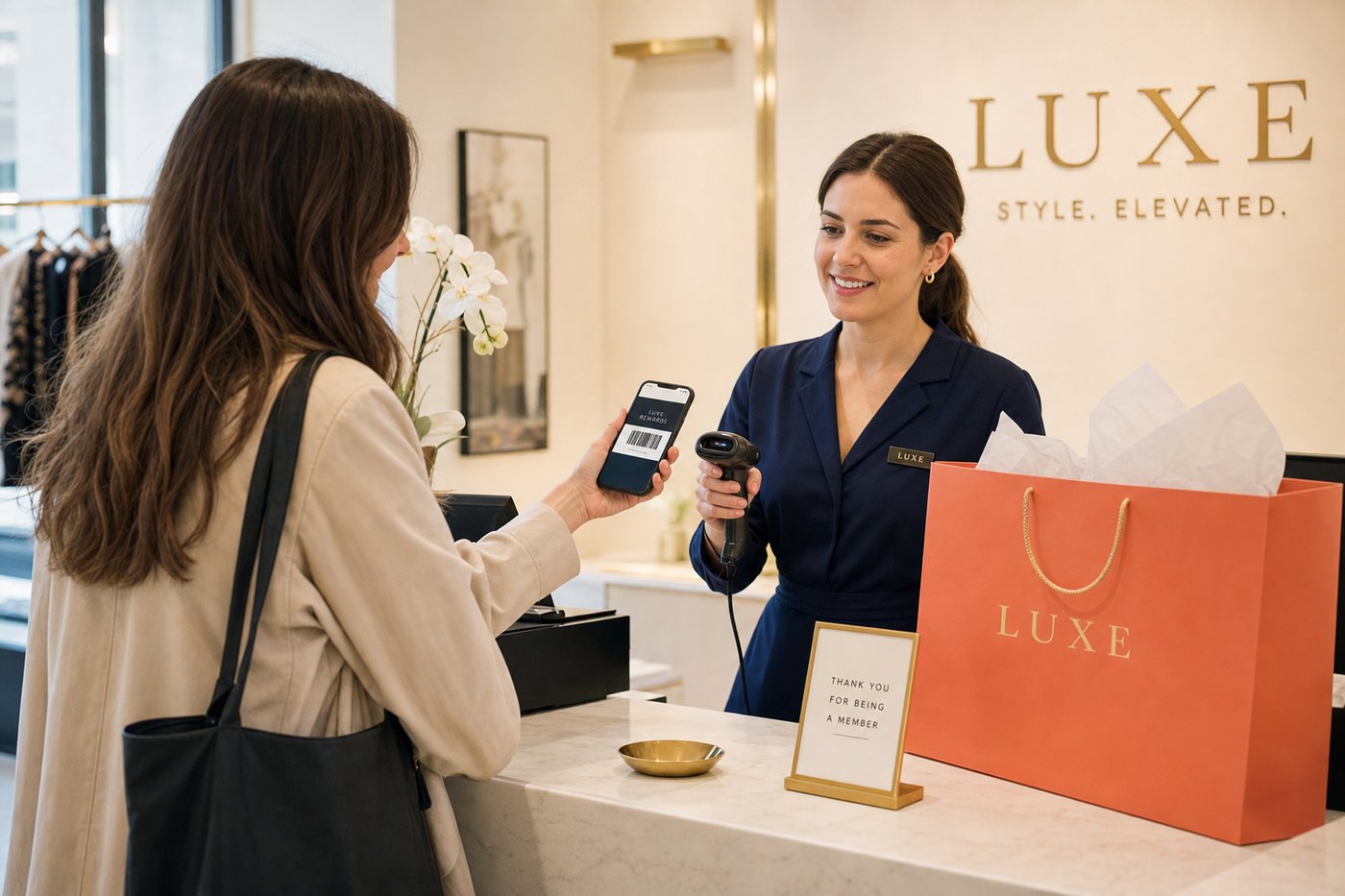
Target's in-store experience is different in character. The Circle barcode is the primary tool: you present it at the register (or let the cashier scan from your phone screen) and discounts apply automatically. The Target app doesn't function as a standalone payment tool the way Walmart Pay does — you still pay by card or cash. But the automatic discount application is genuinely low-friction: there is no coupon-scanning, no offer activation required, and no manual code entry at the register. Online and Drive Up orders are well-integrated in both apps, with real-time status updates, parking space identification for Target Drive Up, and clear pickup notifications for both services.
Security & privacy
Both apps store payment credentials with standard encryption and maintain PCI DSS compliance. Walmart Pay uses a QR code mechanism for in-store transactions, which means your card number is never transmitted at the terminal — the payment flows through Walmart's own payment infrastructure instead. This approach eliminates the skimming risks associated with physical card swiping or tapping, which is a modest but real security advantage for frequent in-store shoppers. Target's app processes payment through Target.com's standard infrastructure for online and app-based orders, with similar encryption standards.
Both companies are significant data collectors. Target's Circle program is notable for its sophisticated purchase-history-based personalization — the deals you see in your Circle offers reflect your actual buying patterns in a way that most shoppers find more useful than generic promotions. This personalization is powered by data collection that is standard for retail loyalty programs, but it's worth understanding that your purchase history is being analyzed and used to shape what you see. Walmart similarly uses behavioral data for ad targeting within its Walmart Connect advertising platform. Our shopping app privacy guide covers what both apps collect and how to manage it in practice.
Costs & fees
Walmart — The app is free to download and use for non-members, with free standard shipping over certain thresholds and store pickup available to all. Walmart+ costs $12.95/month or $98/year and adds: unlimited free same-day grocery delivery on orders over $35, Scan & Go, discounts on fuel at participating stations, and Paramount+ Essential streaming included. For frequent grocery shoppers, the math on delivery savings alone can justify the membership cost. For occasional shoppers, it's less compelling.
Target — Target Circle is entirely free. No card required, no subscription, no cost. Target Circle 360 (previously offered as Drive Up Plus with Shipt integration) costs $99/year or $14.99/month for unlimited same-day delivery and Drive Up with Returns benefits. Target Circle Card (the store credit card, formerly Target RedCard) offers 5% off every Target purchase and free two-day shipping, with standard credit card terms and interest rates. The free tier of Target Circle is usable on its own and provides meaningful savings for most shoppers without any financial commitment.
Where each one wins
Walmart wins on: raw price competitiveness on staple goods and groceries, scale of in-store inventory, Scan & Go efficiency for Walmart+ members doing regular household shopping runs, and the convenience of combining grocery delivery with a streaming subscription in a single membership. For price-first shoppers doing regular grocery and household supply runs, Walmart's scale and the Walmart+ math can be hard to beat.
Target wins on: the quality of the free loyalty program (no subscription required for meaningful savings), the strength of its product curation in apparel, home goods, and seasonal items, the in-store experience itself (Target stores are widely considered more pleasant to browse than Walmart stores), and the birthday reward as a small but consistently appreciated benefit. For shoppers who care about the shopping experience itself — the browsing, the product mix, the brand aesthetics — Target's app and loyalty program feel more considered. Full breakdowns are in the Walmart app review and the Target Circle app review. Also see our best loyalty shopping apps list.
Bottom line
Many American households use both apps, and that's the honest conclusion — Walmart for groceries, cleaning supplies, and everyday staples where price is the primary criterion; Target for home goods, apparel, seasonal decor, and the type of browse-and-discover shopping that Walmart's layout doesn't naturally support. In digital terms, Walmart's Scan & Go gives it the strongest argument for frequent in-store shoppers willing to pay for Walmart+. Target Circle's free automatic discount structure makes it the cleaner choice for shoppers who want loyalty benefits without a commitment.
Neither app is dramatically superior in 2026 — both have reached a baseline of competence that would have been impressive three years ago. The differentiation is now at the margins: which stores you prefer, what membership costs feel justified, and whether the checkout speed of Scan & Go or the browsability of Target's curated selection matters more to you. See our broader best shopping apps 2026 list for context on where both fit in the wider landscape.
Delivery & pickup
Both Walmart and Target have invested heavily in same-day fulfillment, and the competition between them on grocery and general merchandise delivery has driven meaningfully better options for consumers in most US markets. Walmart's grocery delivery infrastructure — built through its acquisition of Jet.com and expanded through Walmart+ — delivers same-day from local stores in most metro areas, with a minimum order of $35 for free delivery on Walmart+. The selection includes full grocery and general merchandise from Walmart's in-store inventory, which for most households covers a weekly shopping run without any gaps.
Target's same-day delivery through Drive Up and Shipt is similarly strong in covered markets. Drive Up — the curbside pickup option where you park in a designated spot and a Target employee brings your order out — is one of Target's most popular features and has been extended to include Drive Up Returns, letting you return items without leaving your car. The Target Circle 360 membership unlocks unlimited Shipt delivery for same-day service. For grocery-light households that primarily buy general merchandise, apparel, and home goods rather than weekly groceries, Target's pickup infrastructure may serve the actual use case better than Walmart's grocery-centric delivery system. Both apps make scheduling and tracking pickups and deliveries simple, with clear status notifications from order placement through arrival.